Contents
What to Do in Algiers? 10 Must-See Attractions and Activities to Discover
Discover Algiers, a Mediterranean capital steeped in history and culture. From the Casbah to Notre-Dame d’Afrique and the Jardin d’Essai, explore its monuments, museums, breathtaking views, and culinary specialities. Discover the city’s 10 must-see attractions and plan your stay.
Nicknamed the White City, Algeria’s capital captivates visitors with its rich historical heritage, remarkable architecture, and Mediterranean landscapes. From the narrow streets of the Casbah to Ottoman palaces, iconic landmarks, and lush gardens, the city offers countless opportunities for exploration and discovery.
Whether you want to visit Algiers’ historic monuments, discover its iconic neighbourhoods, enjoy breathtaking views over the Mediterranean, or explore its museums, the Algerian capital deserves to be explored at a leisurely pace.
But what should you do in Algiers during your visit? Which must-see attractions should you explore, and which activities should you not miss?
Here is our selection of 10 must-see places and experiences to discover Algiers, its history, heritage, and Mediterranean charm.
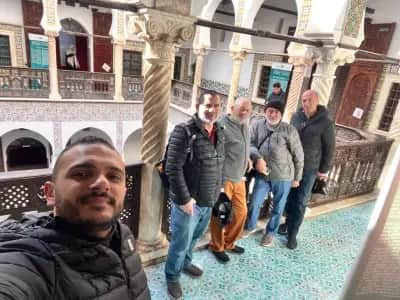
1. Explore the Casbah of Algiers, the Historic Heart of the Capital
You cannot visit Algiers without starting with the Casbah, a true symbol of the capital’s historical and cultural identity.
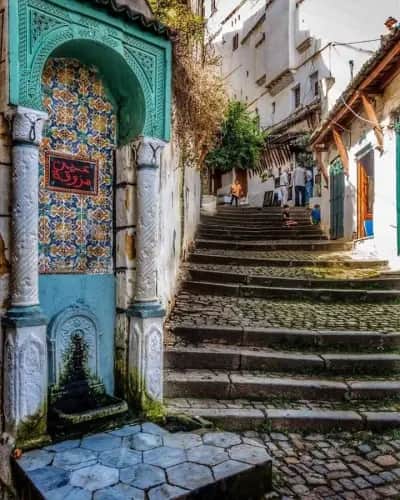
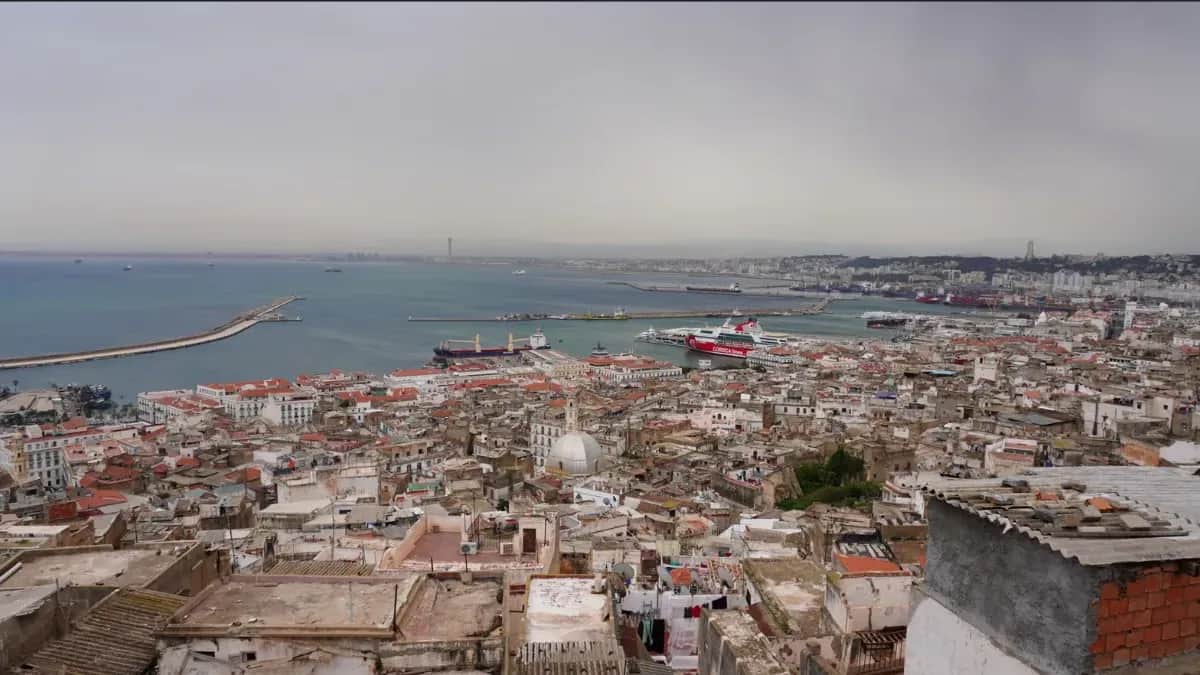
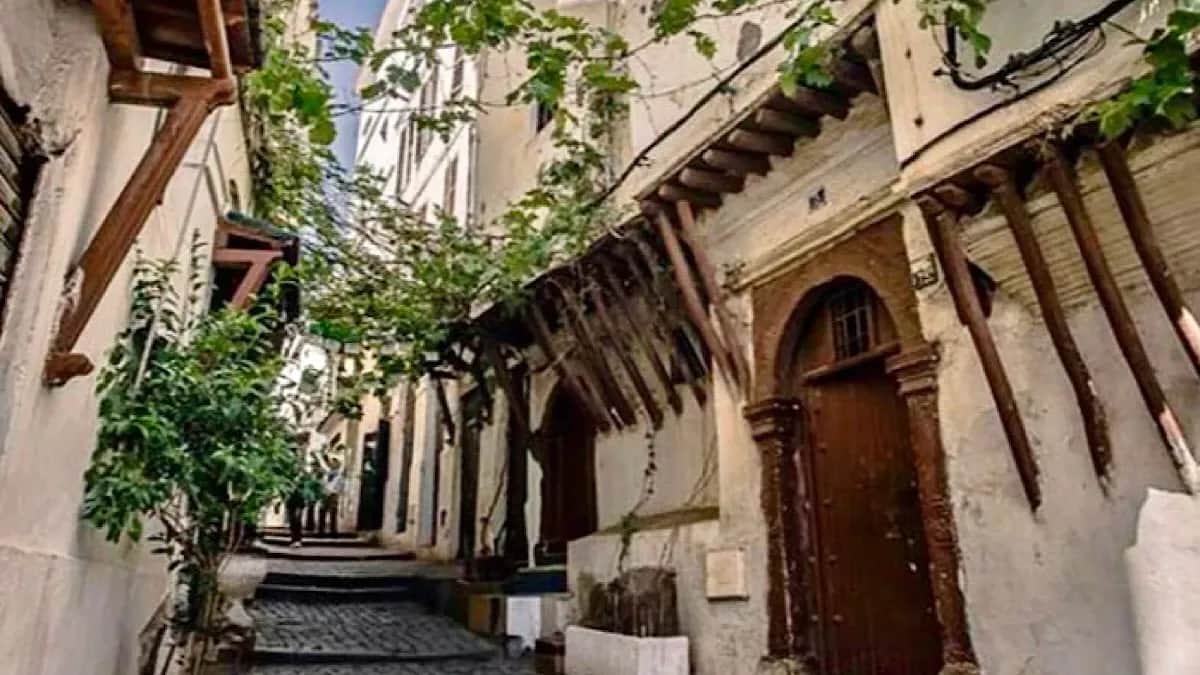
Listed as a UNESCO World Heritage Site since 1992, the Casbah is an ancient medina that bears witness to the Ottoman era, among other periods. Built on the hills overlooking the city, it is characterised by its narrow winding streets, stairways, traditional houses with interior courtyards, and historic buildings.
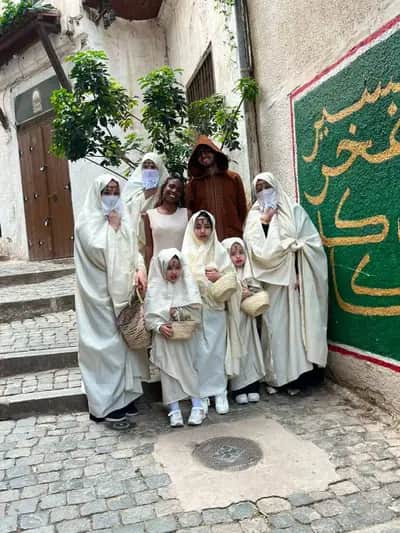
Walking through the Casbah means discovering a vibrant neighbourhood where every turn reveals a new chapter in Algerian history. Along the way, you will encounter ancient doorways, historic façades, artisan workshops, and small squares that offer a glimpse into the daily lives of local residents.
Among the must-see landmarks are the Ketchaoua Mosque, the Great Mosque, and the former palaces dating back to the Ottoman period.
What to Do in the Casbah of Algiers?
Wander through the historic narrow streets and admire the traditional architecture.
Discover the neighbourhood’s palaces and iconic monuments.
Meet local artisans and learn about their traditional craftsmanship.
Enjoy panoramic views over the Bay of Algiers.
Join a guided tour to gain a deeper understanding of the neighbourhood’s history.



2. Admire the Basilica of Notre-Dame d’Afrique and Its Panoramic Views
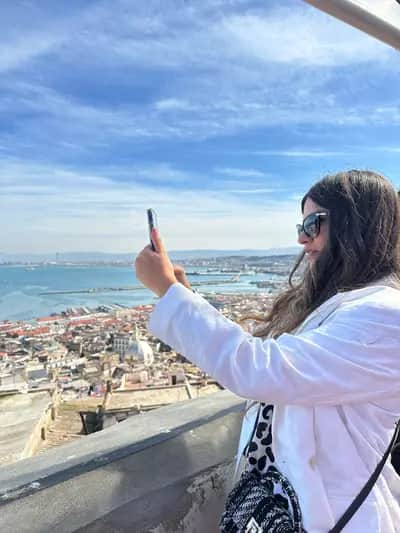
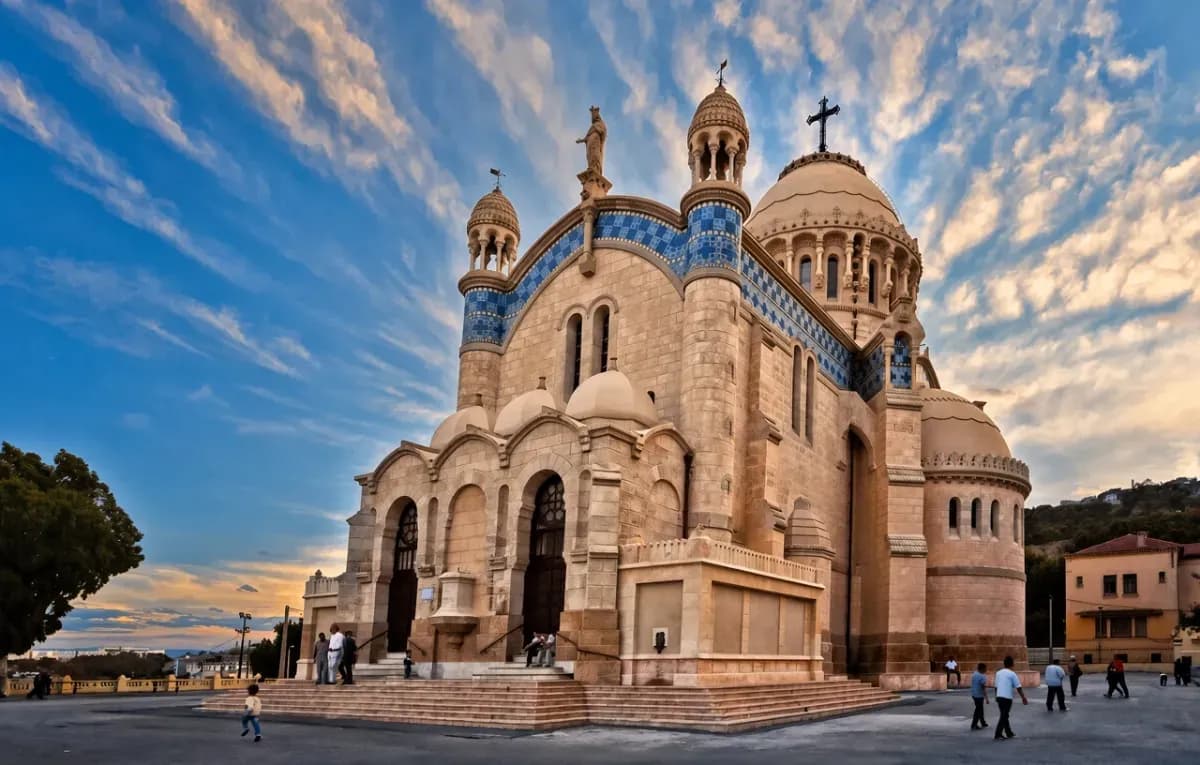
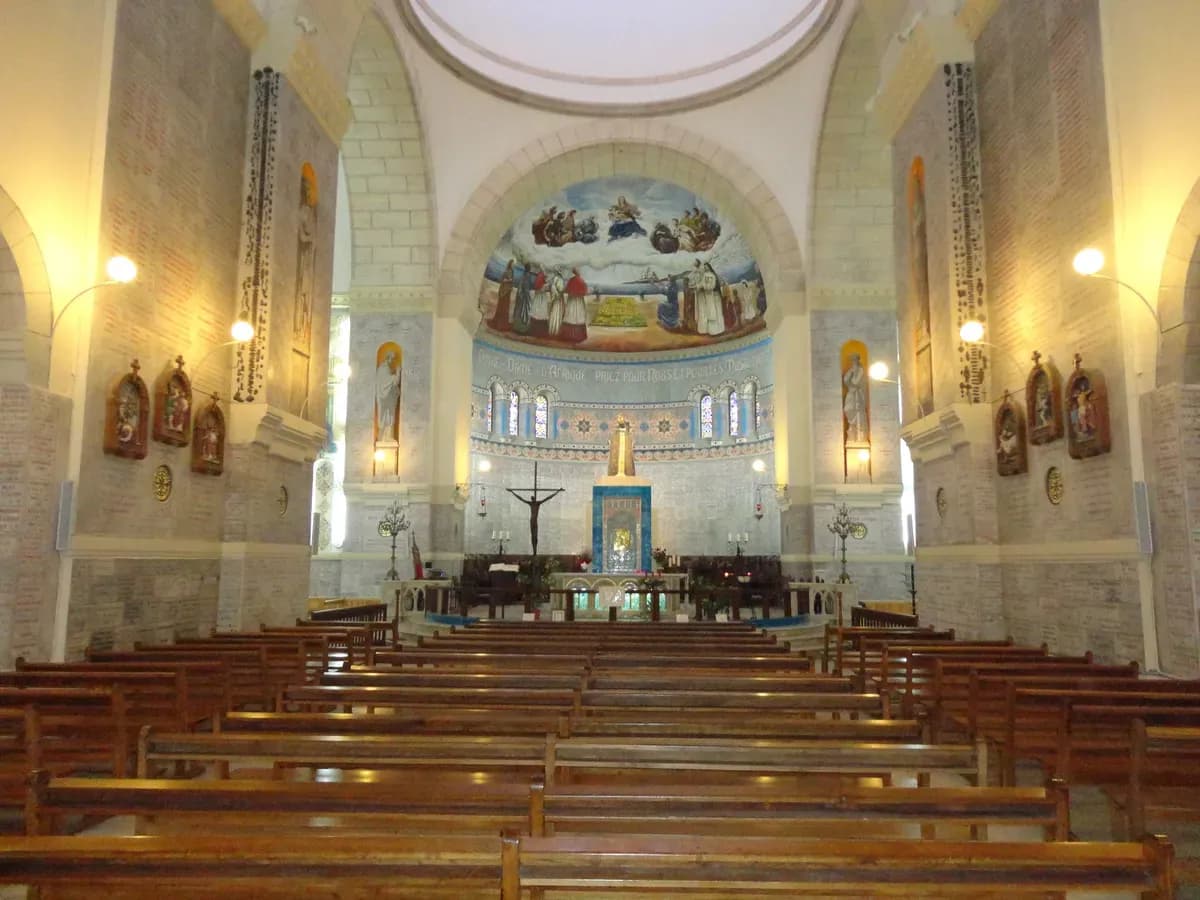
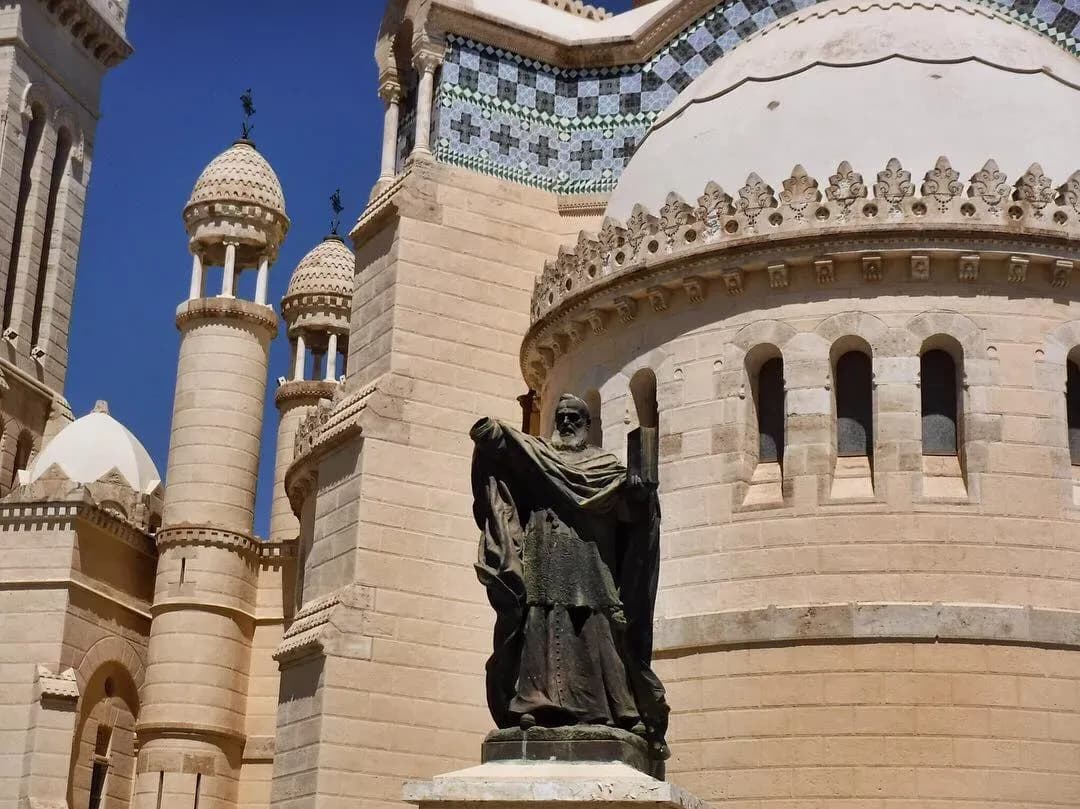
Perched on the heights of Bologhine, the Basilica of Notre-Dame d’Afrique is one of Algiers’ most iconic religious landmarks. Built in the 19th century and inaugurated in 1872, the basilica attracts visitors with its remarkable architecture, beautiful mosaics, and, above all, its exceptional location offering sweeping views of the Mediterranean Sea. Its architecture blends several influences, reflecting the cultural and religious diversity that has shaped the history of Algeria’s capital.
Inside, take the time to admire the architectural details, decorative elements, and inscriptions that make this building so unique. But the visit is about more than just the monument itself: the surrounding area also offers magnificent panoramic views over the Bay of Algiers.
Why Visit Notre-Dame d’Afrique?
Admire an iconic architectural landmark.
Discover a place steeped in history.
Enjoy spectacular views over the Mediterranean Sea.
Take beautiful photographs of the capital.
3. Stroll Through the Jardin d’Essai du Hamma, a True Haven of Peace
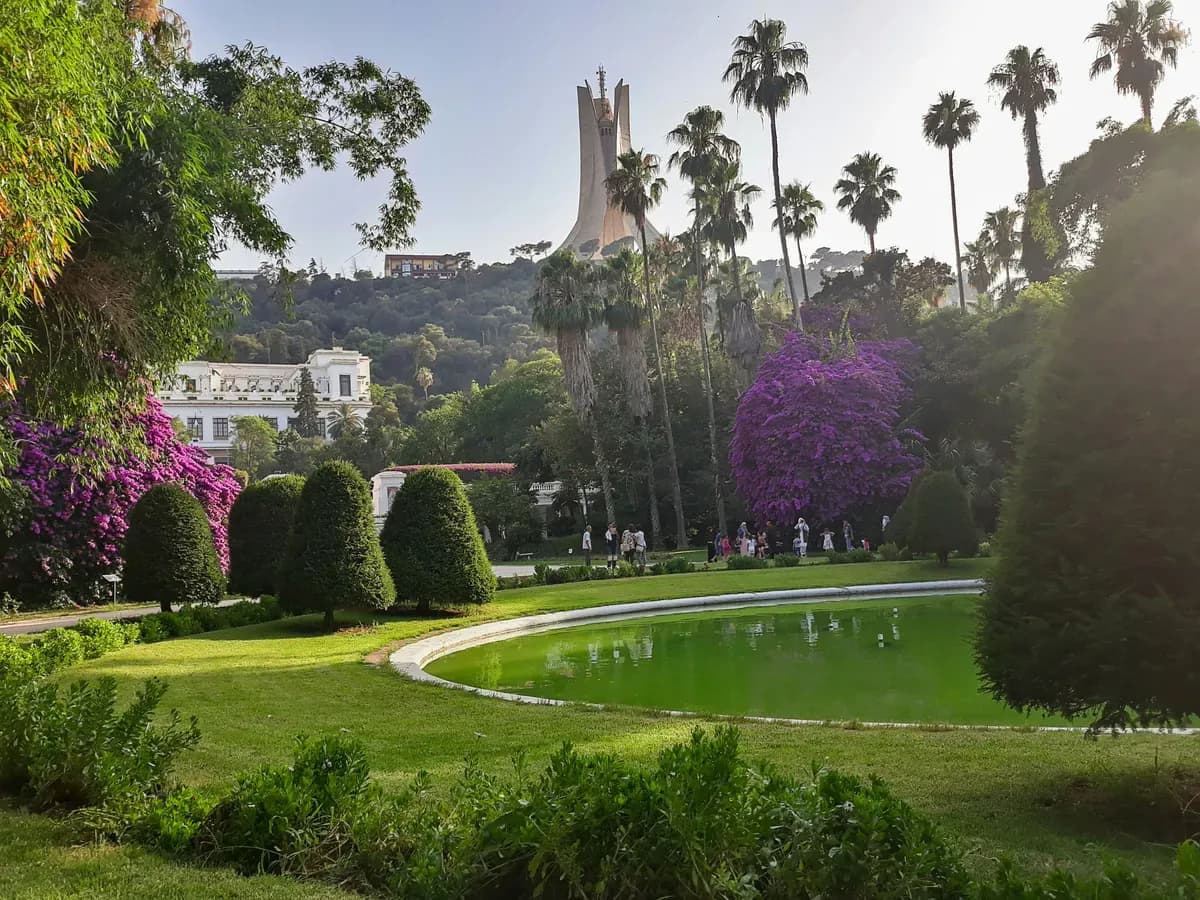
Looking to enjoy a nature break during your stay? Head to the Jardin d’Essai du Hamma, one of the most beautiful green spaces in the capital. Established in the 19th century, this botanical garden is a true oasis in the heart of the Algiers metropolitan area. It is home to a wide variety of plant species, majestic trees, shaded pathways, and beautifully landscaped gardens. It is the perfect place to escape the hustle and bustle of the city and discover another side of Algiers.
The garden is ideal for a family stroll, a romantic outing, or simply taking a relaxing break surrounded by nature.
Things to Do at the Jardin d’Essai
Stroll along the various botanical pathways.
Admire trees and plants from different parts of the world.
Relax in the shaded areas.
Take photographs of the beautiful landscapes and botanical displays.
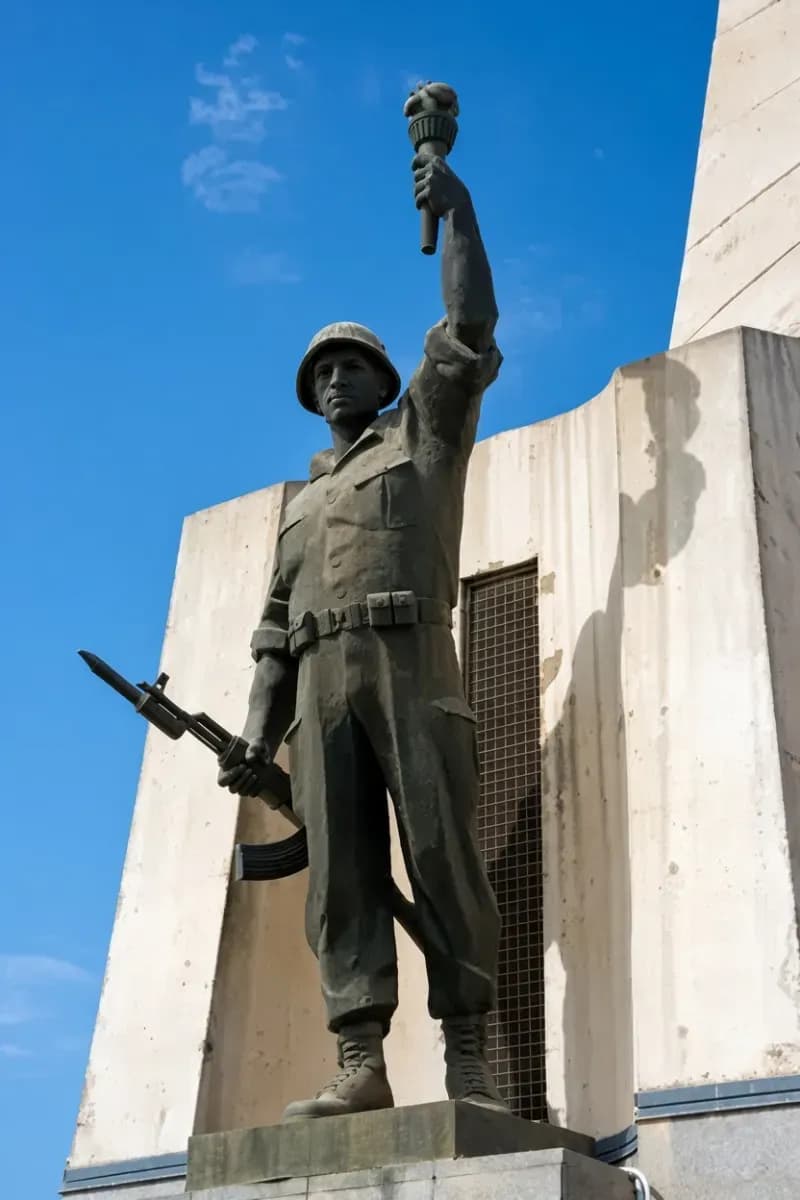
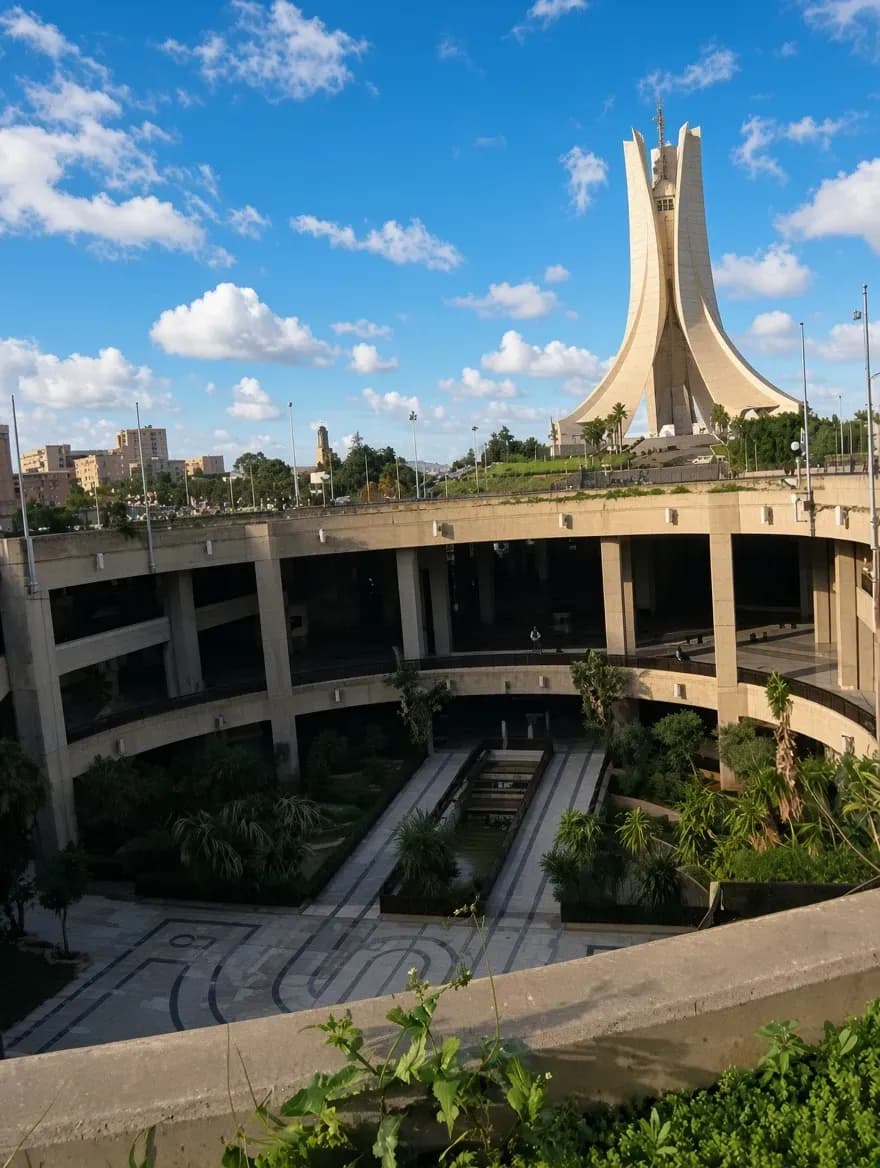
4. Discover the Martyrs’ Memorial (Maqam Echahid), a Symbol of Algerian History
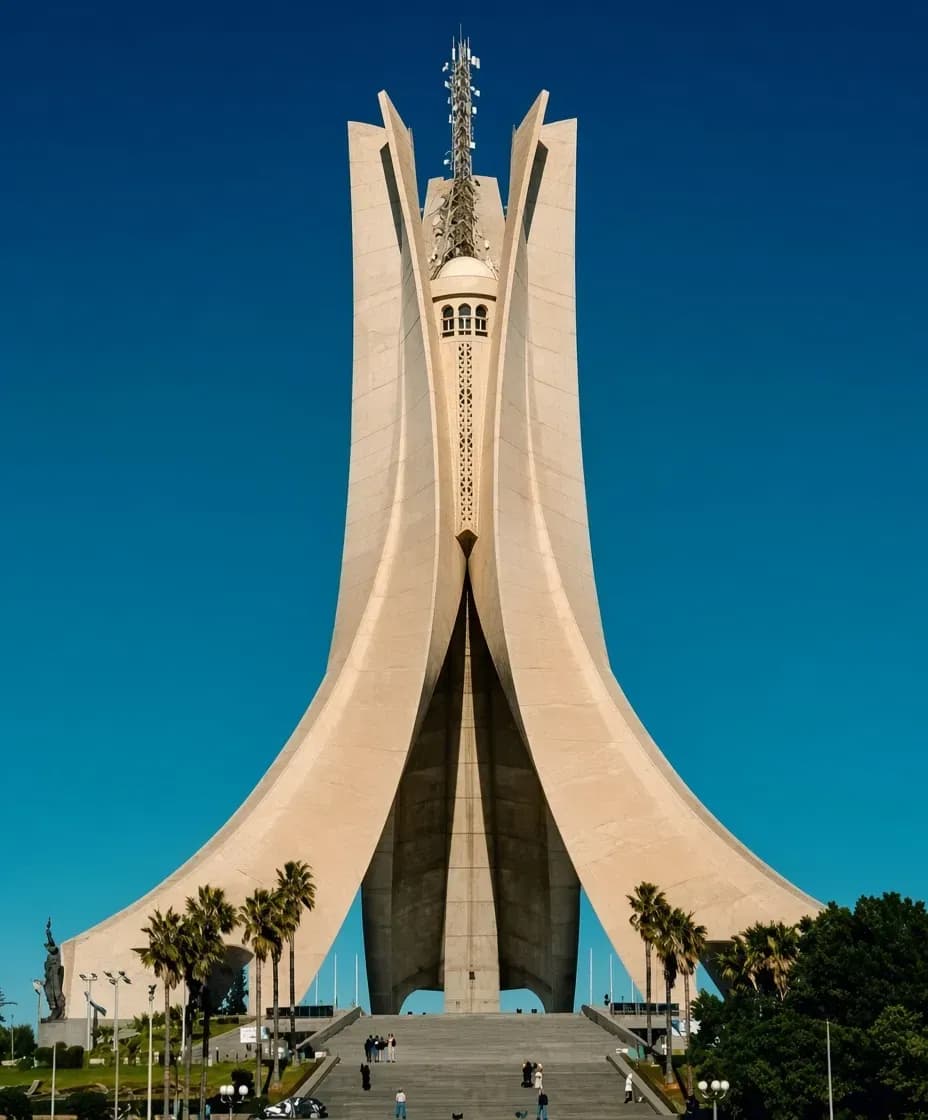
Overlooking the capital from the heights of El Madania, Maqam Echahid is one of the most recognisable landmarks in Algiers.
Inaugurated in 1982 to mark the twentieth anniversary of Algeria’s independence, this monument pays tribute to the fighters who lost their lives during the Algerian War of Independence. Its monumental structure, made up of three concrete palm fronds rising towards the sky, symbolises collective remembrance and the sacrifice of the martyrs.
Beyond its historical significance, the memorial is also a major architectural landmark in the Algiers cityscape. A visit offers an opportunity to discover an essential chapter in Algeria’s modern history while enjoying exceptional panoramic views over the capital.
What to Discover on Site?
Visit the National Museum of the Mujahid and the Central Army Museum.
Enjoy panoramic views over Algiers and its surroundings.
Explore the Riadh El Feth Cultural Complex.
Visit the ISMA Art Gallery.
5. Admire the Grande Poste of Algiers and Stroll Through the City Centre
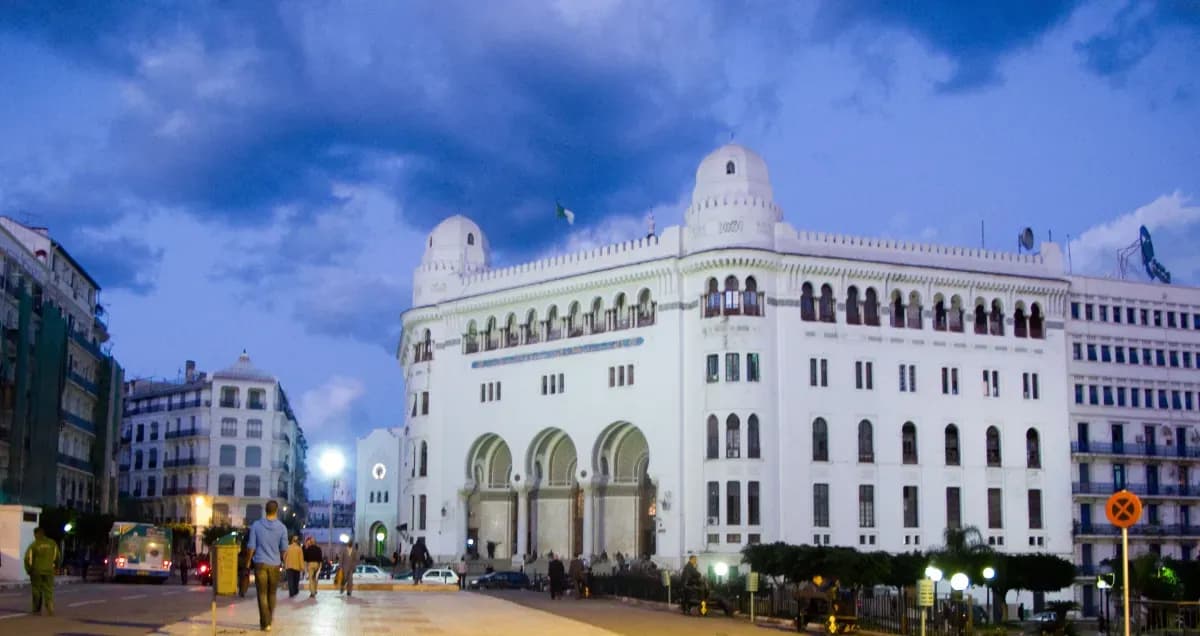
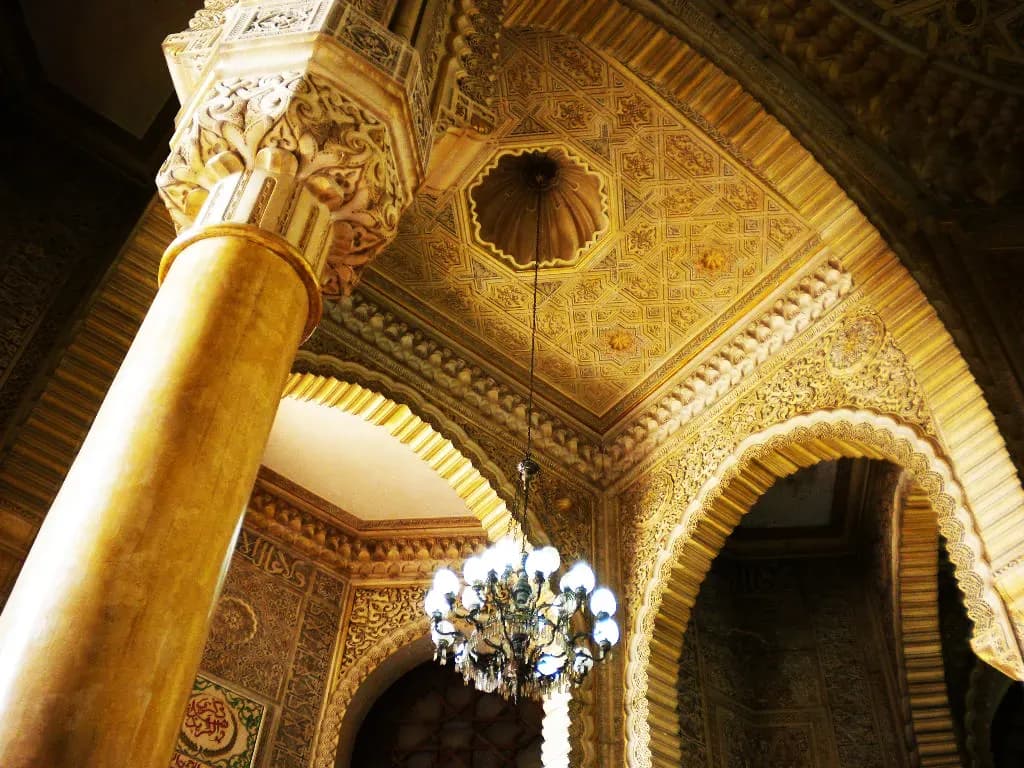
The Grande Poste of Algiers is one of the most remarkable buildings in the city centre. Built in the early 20th century, it stands out for its Neo-Moorish architecture, elegant arches, carved ornaments, and particularly photogenic façade.
Located in the heart of the Algerian capital, it is an excellent starting point for exploring the city centre and discovering its main avenues.
After taking the time to admire the building and its architectural details, continue your walk through the surrounding streets, particularly along Didouche Mourad Street. There, you will discover beautiful historic buildings, shops, cafés, and a typically Algiers atmosphere.
What to Do in Downtown Algiers?
Discover Emir Abdelkader Square.
Explore Martyrs’ Square and the area surrounding the Casbah.
Admire the architecture of the historic buildings.
Take a break at a traditional café and watch the city come to life.
Enjoy the local atmosphere and browse the shops.
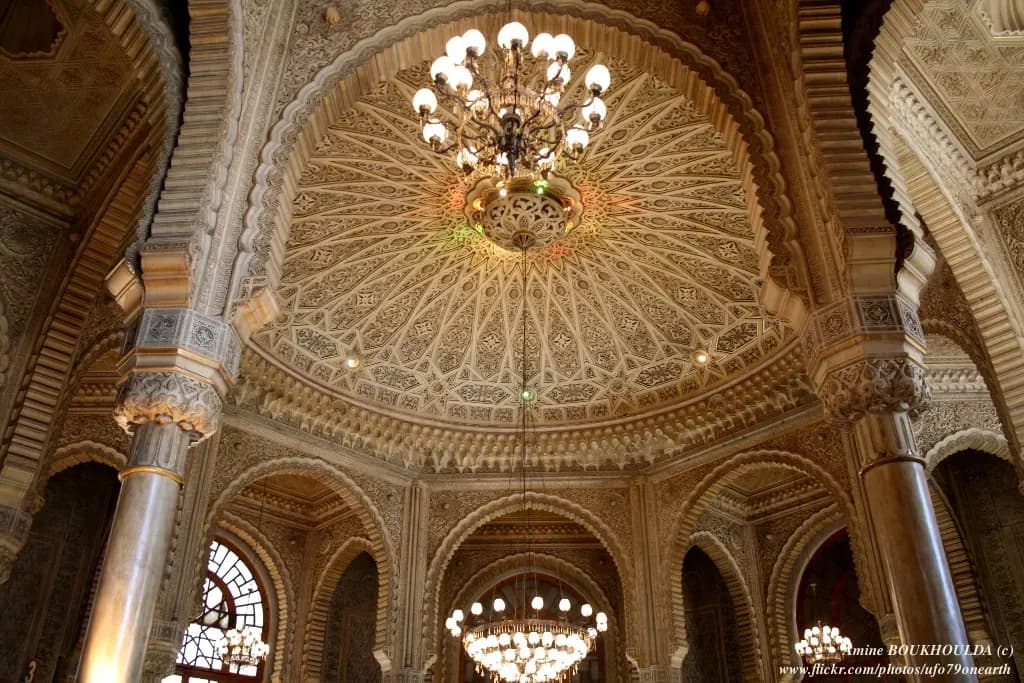
6. Visit the Ketchaoua Mosque, an Architectural Gem of the Casbah
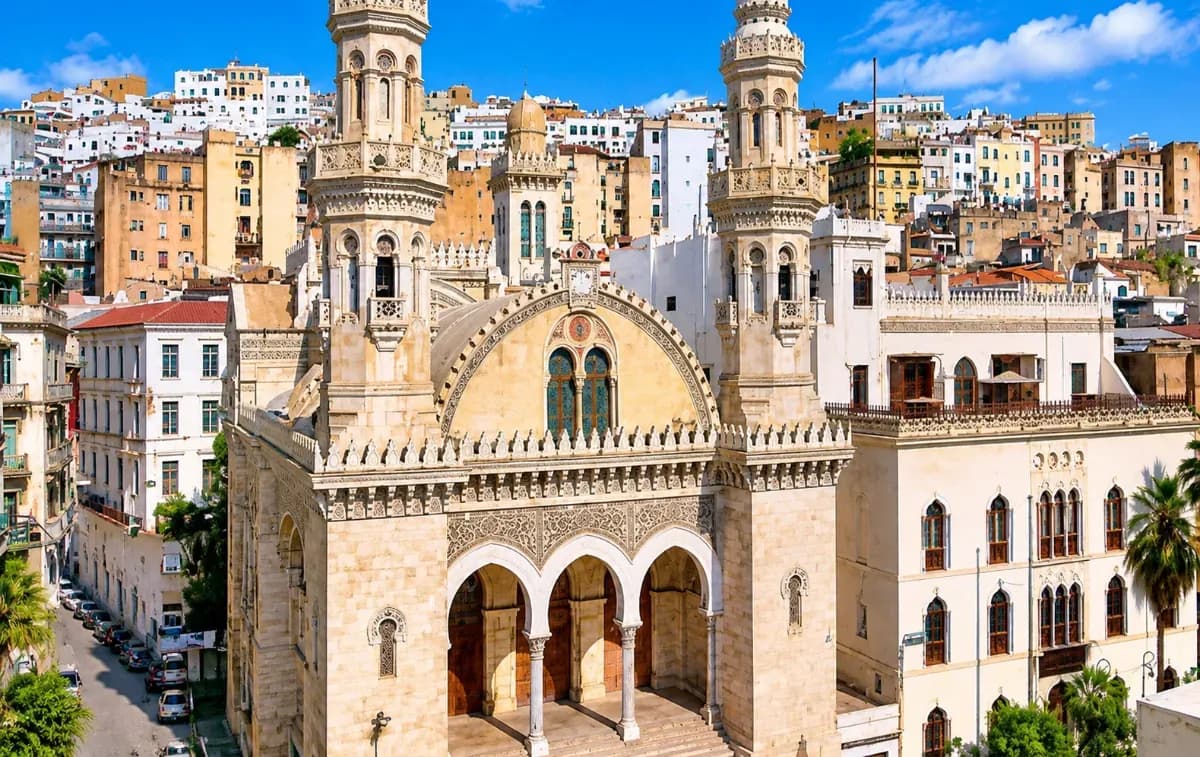
Listed as a UNESCO World Heritage Site as part of the Historic Casbah of Algiers, the Ketchaoua Mosque stands at the foot of the old town. It is one of the must-see landmarks to discover during a sightseeing trip to Algiers.
Built during the Ottoman period and subsequently transformed throughout its history, the mosque stands out for its architecture, which combines various artistic and cultural influences. Its monumental façade, decorative details, and two minarets make it a particularly remarkable building. It reflects the different periods that have shaped Algiers’ architectural heritage.
The Ketchaoua Mosque is well worth a stop as you explore the old town. Its location makes it easy to include in a walking tour of the Casbah.
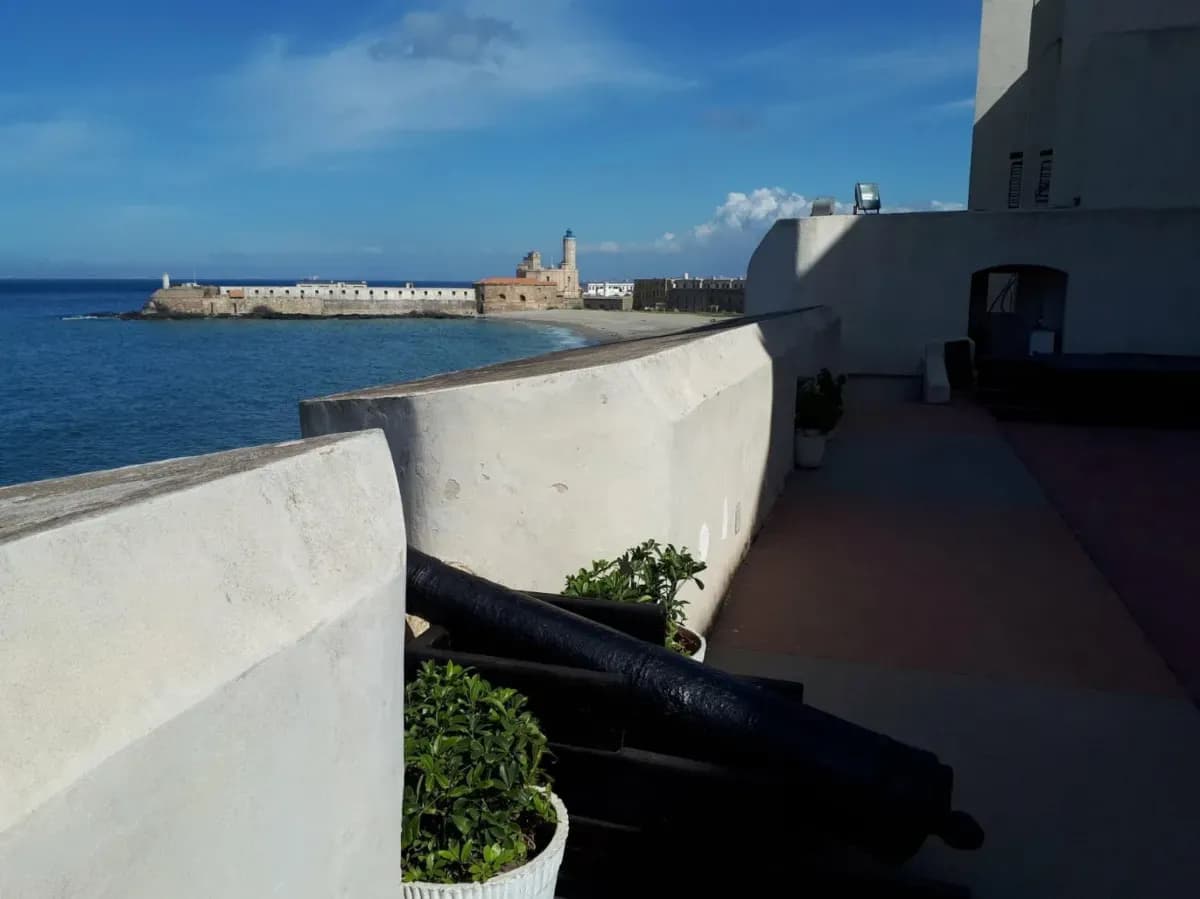
7. Explore the Palace of the Raïs (Bastion 23), a Testament to Ottoman Algiers
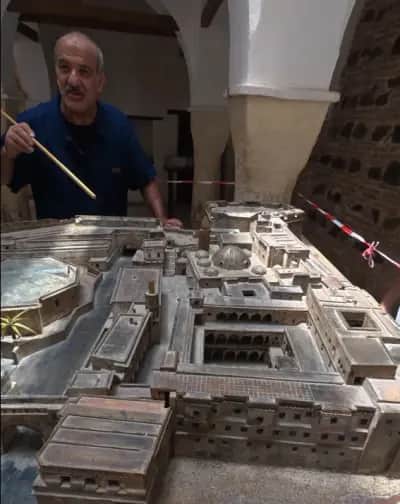
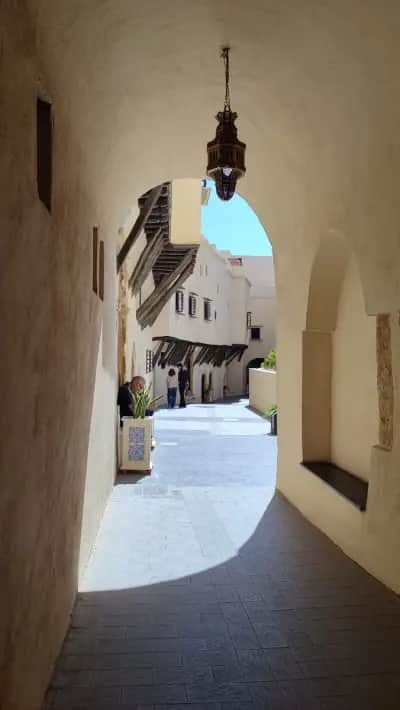
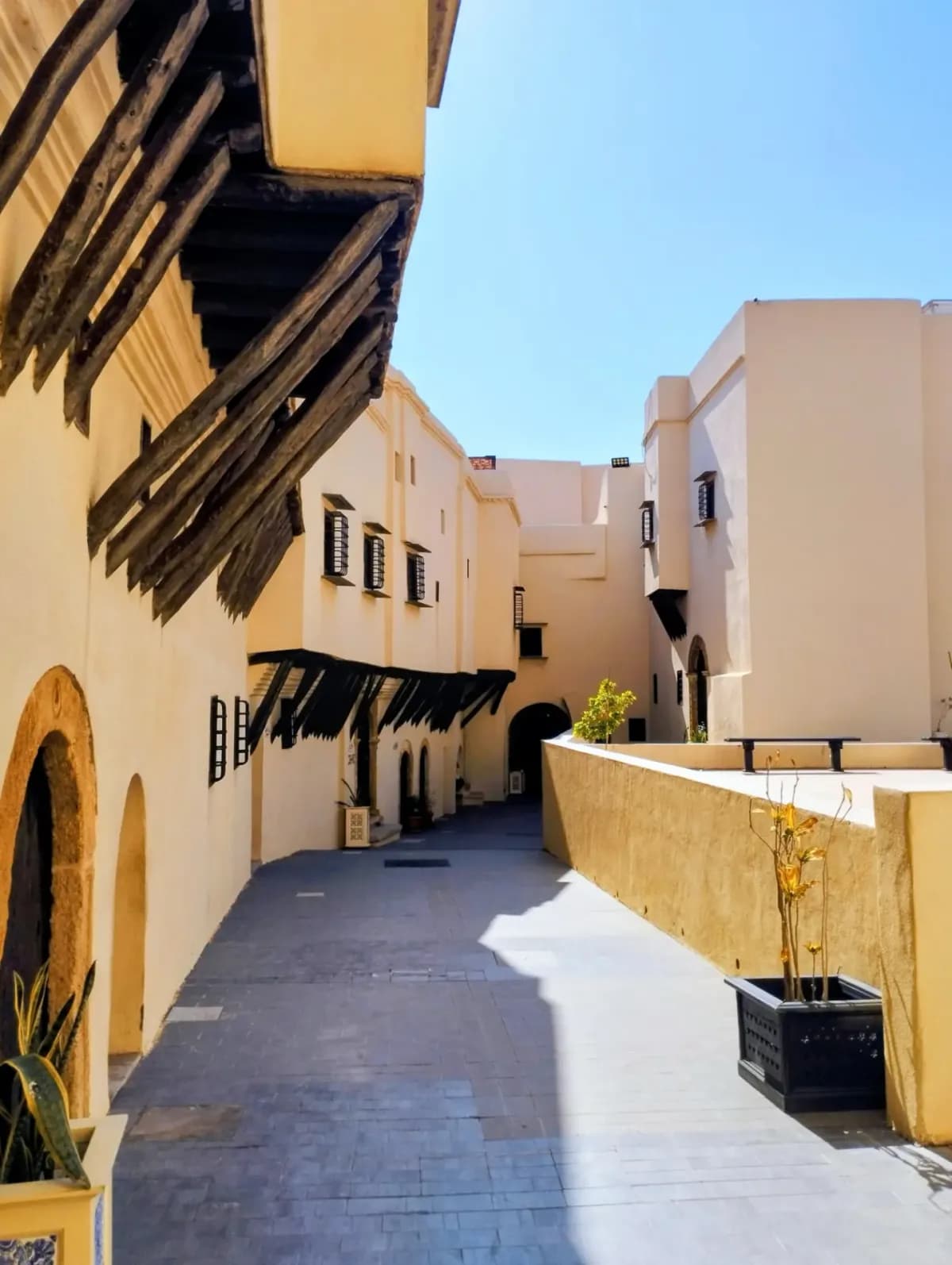
To discover more of the capital’s historical heritage, head to the Palace of the Raïs (Bastion 23). Located in the Lower Casbah district, close to the seafront, this architectural complex is one of the most fascinating examples of Ottoman architecture in Algiers.
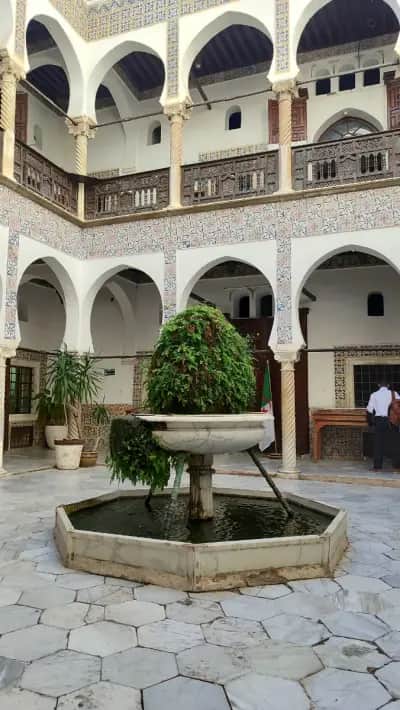
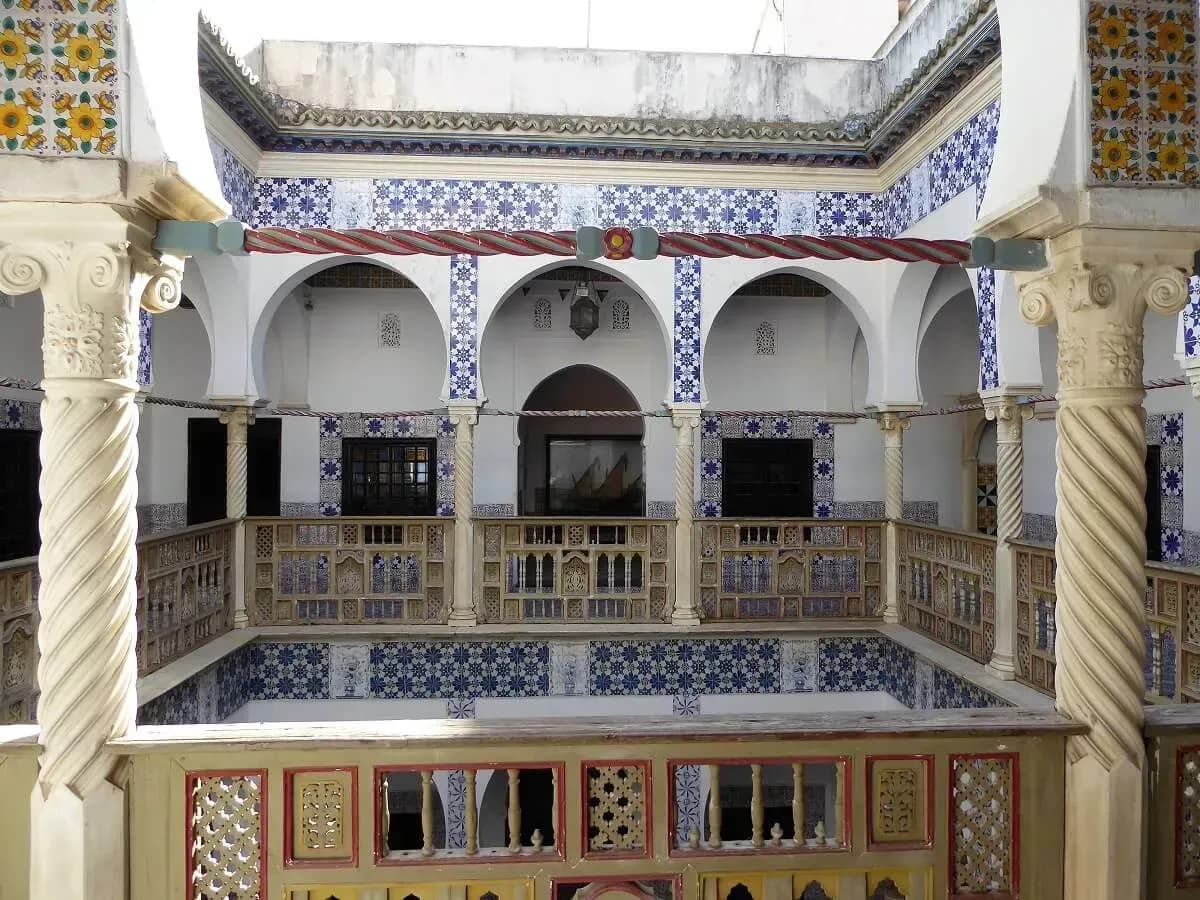
The site consists of several palaces and historic houses that offer a glimpse into the lifestyle of wealthy families and dignitaries of the period. During your visit, you can admire the interior courtyards, galleries, decorative tiles, woodwork, and numerous traditional architectural details.
Bastion 23 also hosts cultural activities and exhibitions, depending on its programme.
What to See at the Palace of the Raïs?
Admire the courtyards, traditional decorations, and architectural details of the Ottoman residences.
Enjoy views over the Bay of Algiers.
Explore the exhibition spaces and cultural events.
Take the time to appreciate the architectural details of the buildings and explore the various inner courtyards, each steeped in history and charm.
8. Discover the Collections of the National Bardo Museum
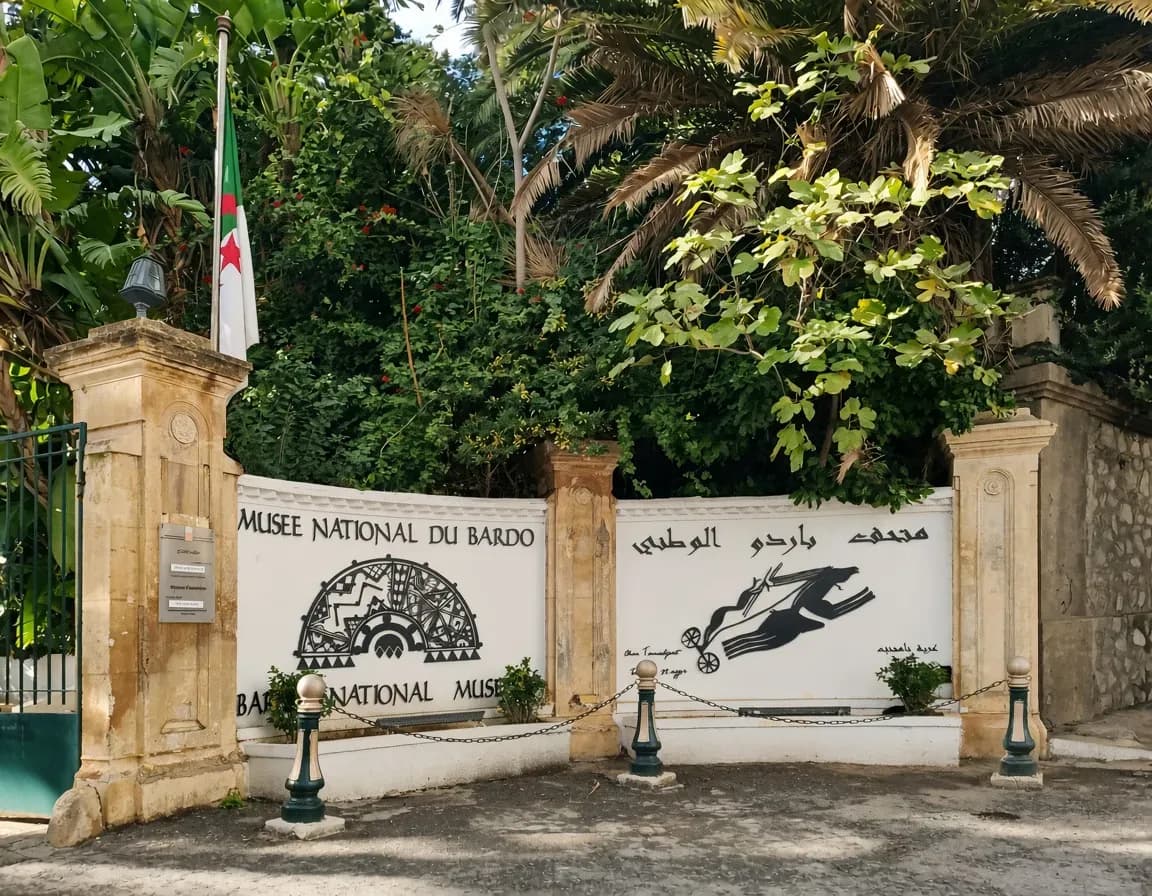
If you enjoy museums and cultural discoveries, the National Bardo Museum in Algiers deserves a place on your sightseeing itinerary.
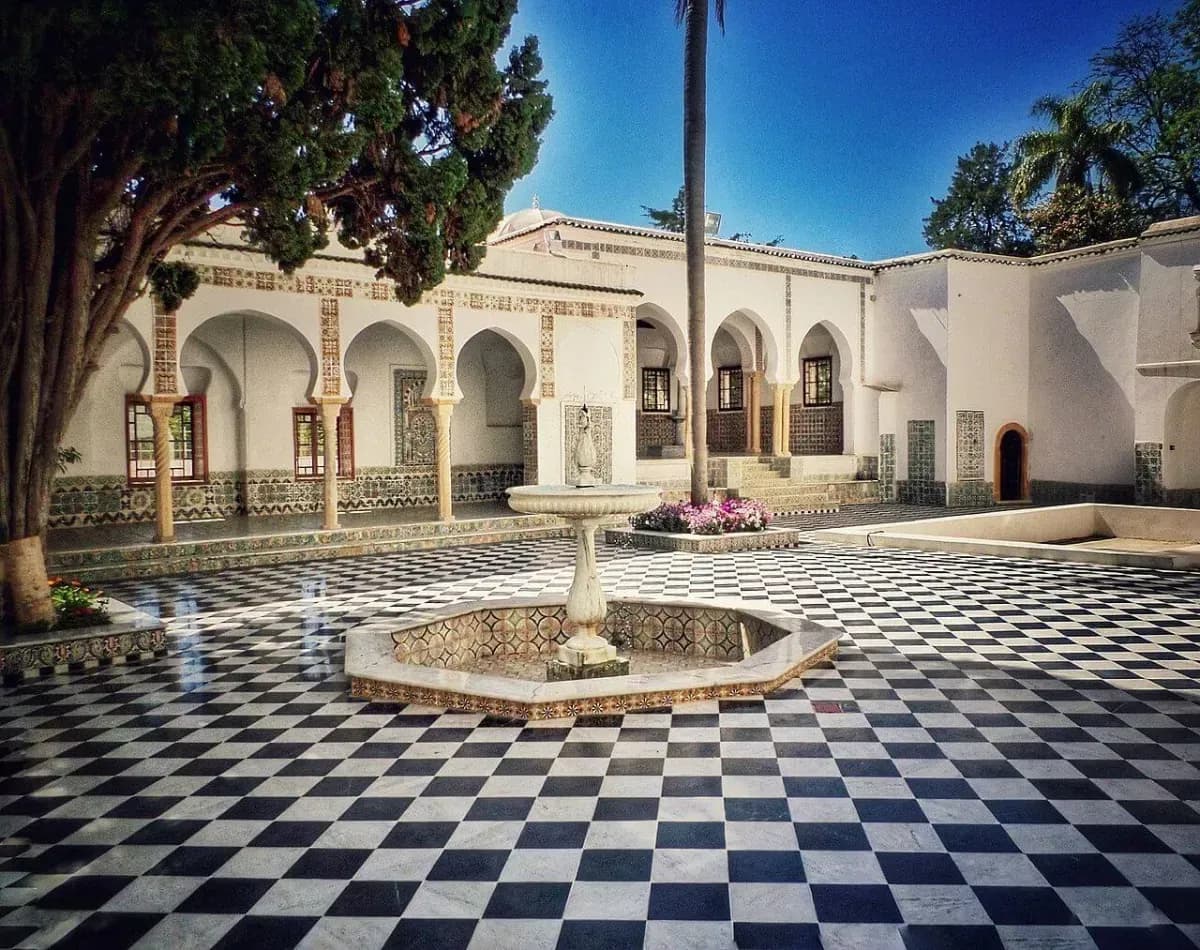
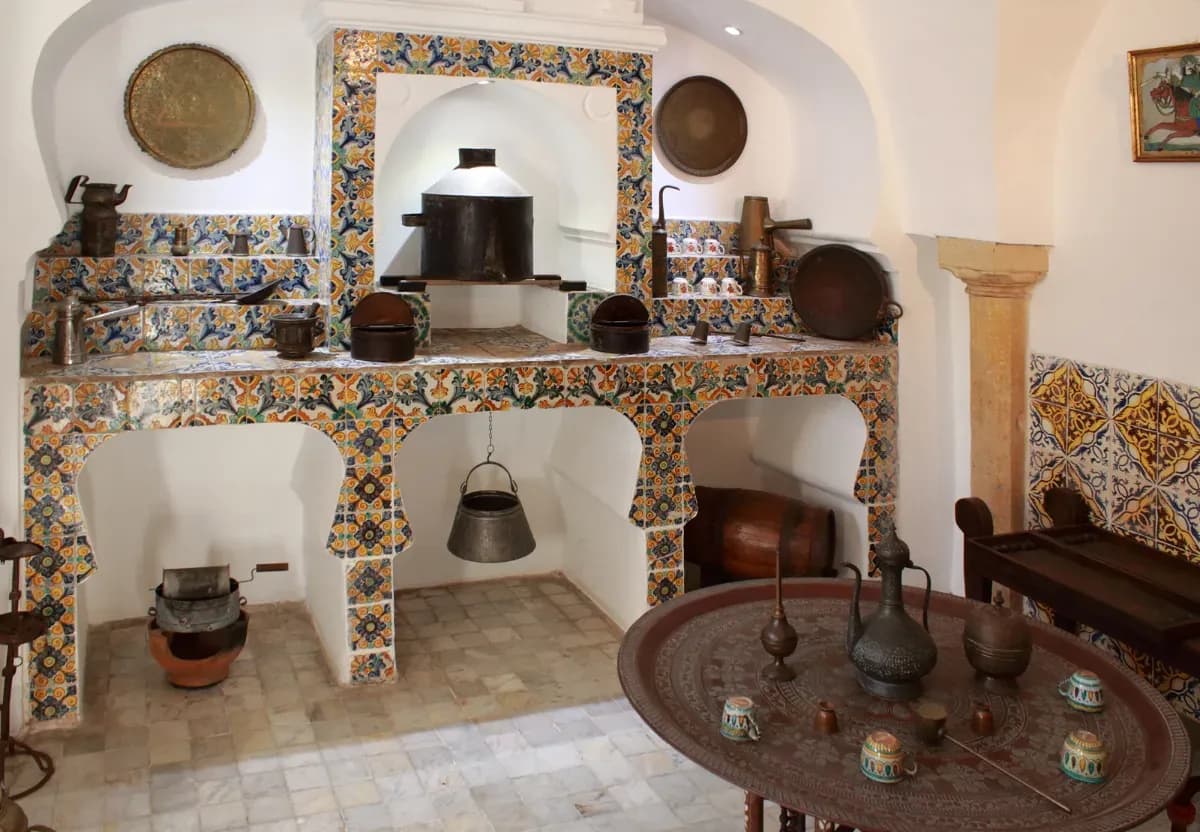
Housed in a former traditional residence, this museum offers a fascinating insight into Algeria’s history and cultural heritage. Its collections, primarily dedicated to prehistory and ethnography, bring together objects, archaeological artefacts, and historical records that help visitors better understand the lifestyles of local populations throughout different periods.
The museum is also worth visiting for its architectural setting. The building retains the charm of traditional Algiers residences, with interior spaces arranged around courtyards, galleries, and traditional decorative features.
Why Visit the Bardo Museum?
Discover Algeria’s ancient history.
Explore the prehistoric and ethnographic collections.
Learn more about Algerian traditions and local ways of life.
Admire a historic Algiers residence.
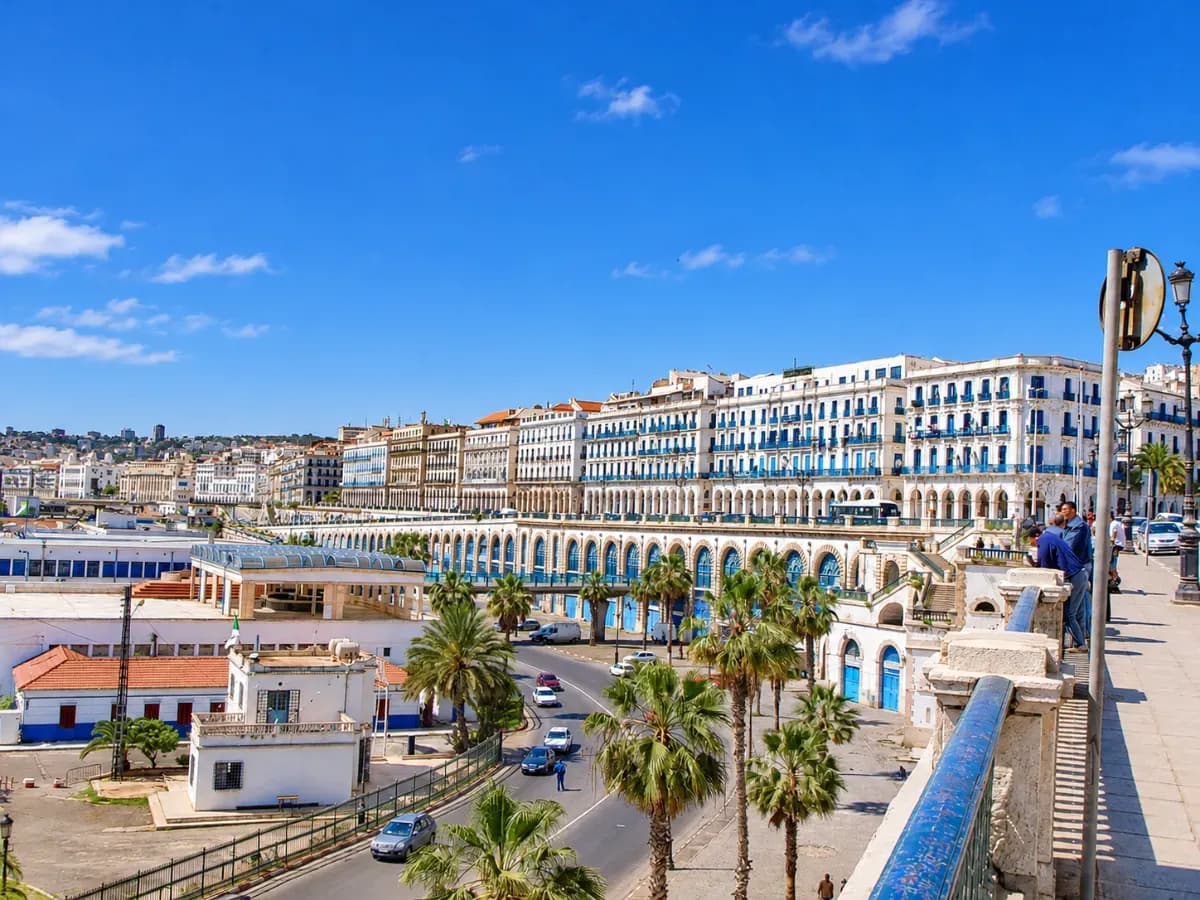
9. Stroll Along the Seafront and Enjoy the Mediterranean Atmosphere
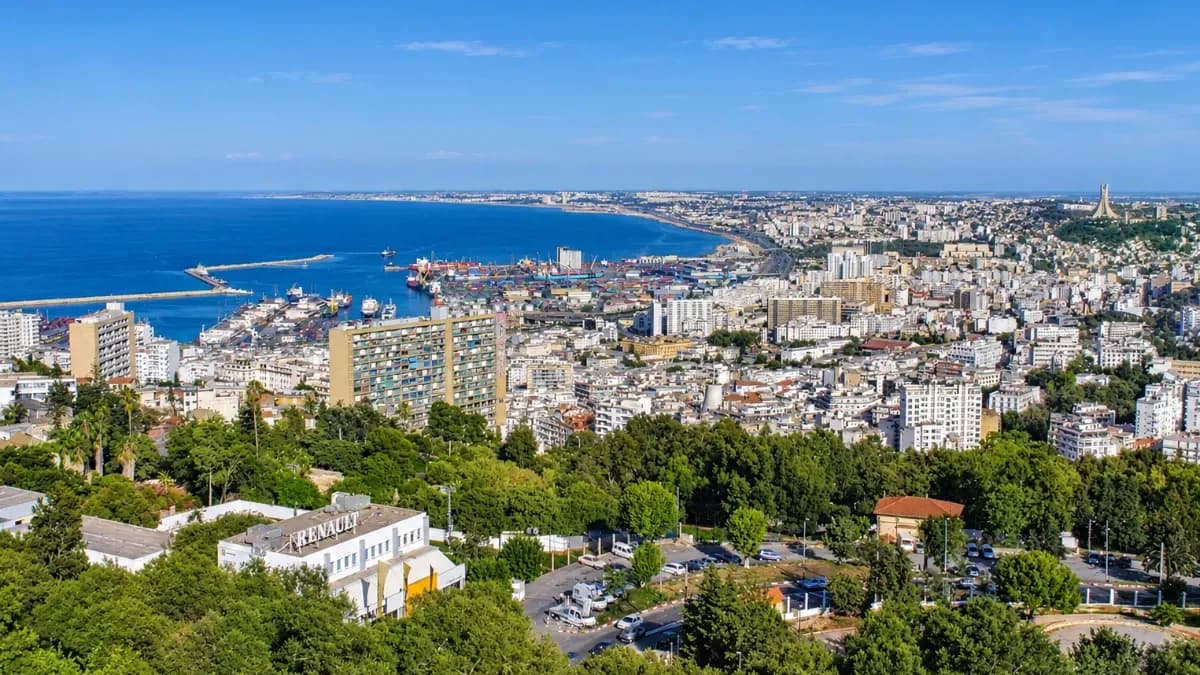
Algiers is a city deeply connected to the Mediterranean. To discover Algiers and its Mediterranean landscapes, there is nothing better than a stroll along the Algiers seafront, offering a wonderful opportunity to appreciate the city’s maritime identity and coastline.
The boulevard running alongside the port and the central neighbourhoods allows visitors to discover another side of the capital, with its historic buildings, port facilities, and views over the Bay of Algiers.
For those wondering what to do in Algiers, this walk is a simple yet particularly enjoyable experience, offering a chance to observe the city and discover everyday life.
This stroll also provides an opportunity to admire the architecture of the city centre from a different perspective, while appreciating the richness of its urban heritage and the coastal scenery of Algiers.
10. Discover the Great Mosque of Algiers, a Symbol of Modernity
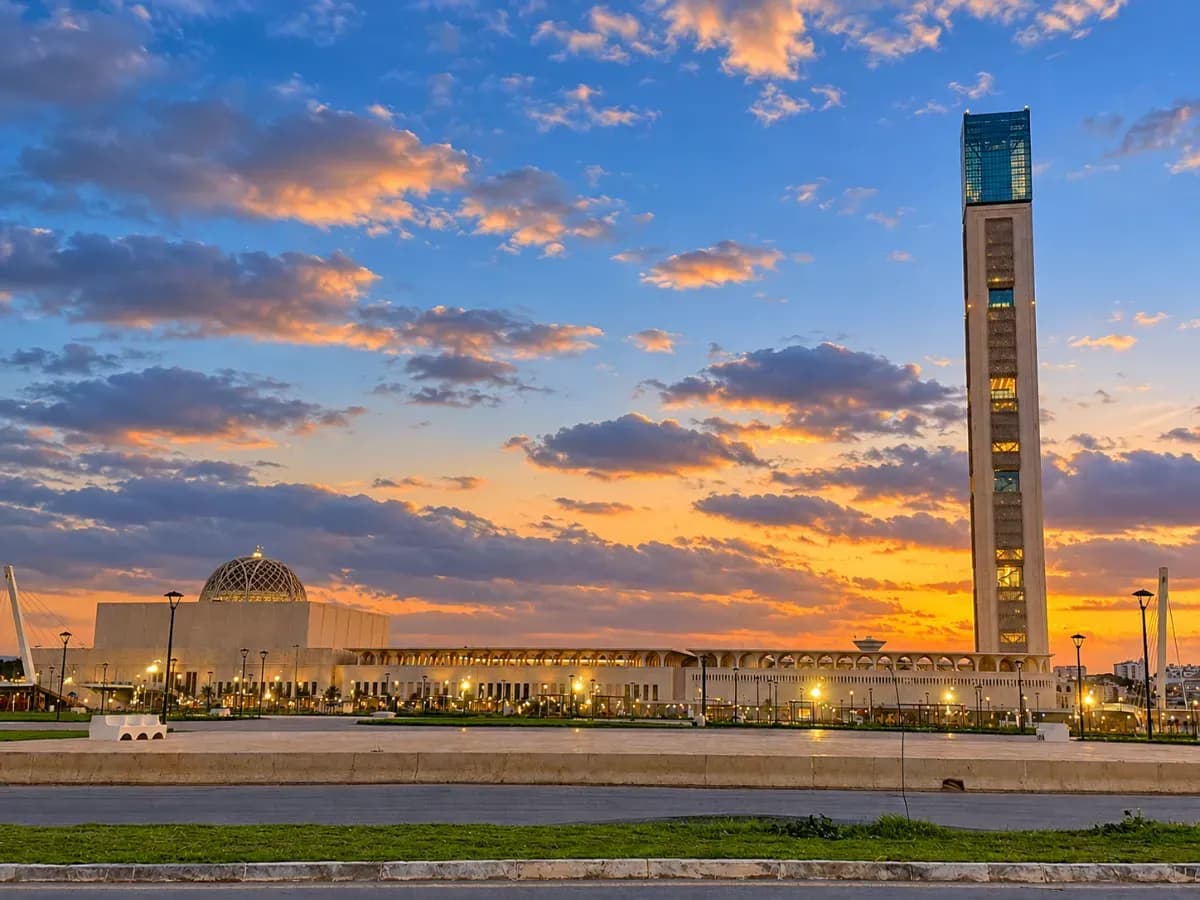
To round off this selection of Algiers’ must-see landmarks, head to the Great Mosque of Algiers, a spectacular building that showcases the capital’s architectural modernity.
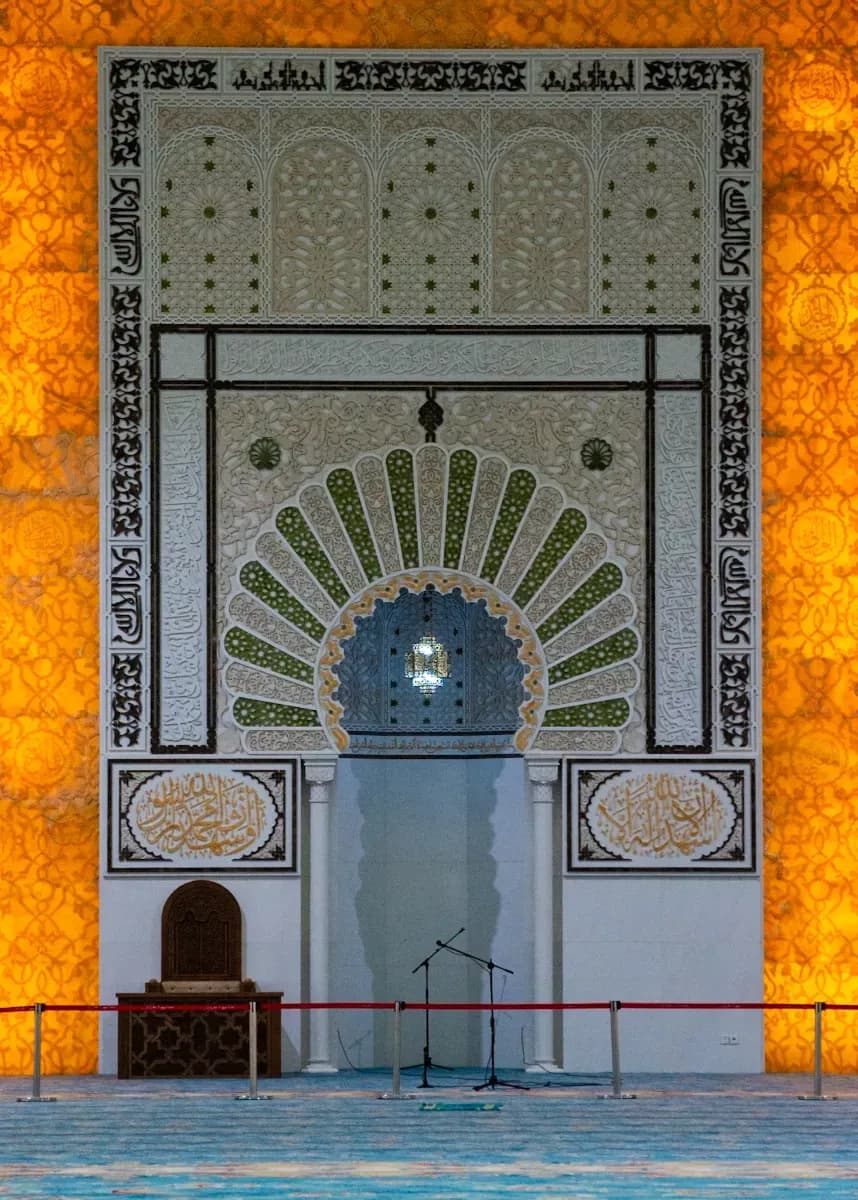
Located in the Mohammadia district, this mosque is particularly notable for its enormous 265-metre-high minaret, considered the tallest minaret in the world. Also known as Djamaâ El-Djazaïr, it features architecture that blends references to traditional Islamic art with elements of contemporary Islamic architecture.
The complex also includes various spaces dedicated to culture, education, and religious life. Visiting the mosque allows you to complete your exploration of Algiers’ architectural heritage, moving from the historic buildings of the Casbah to an impressive contemporary architectural achievement.
What to Discover at the Great Mosque of Algiers?
Admire the architecture and impressive scale of the building.
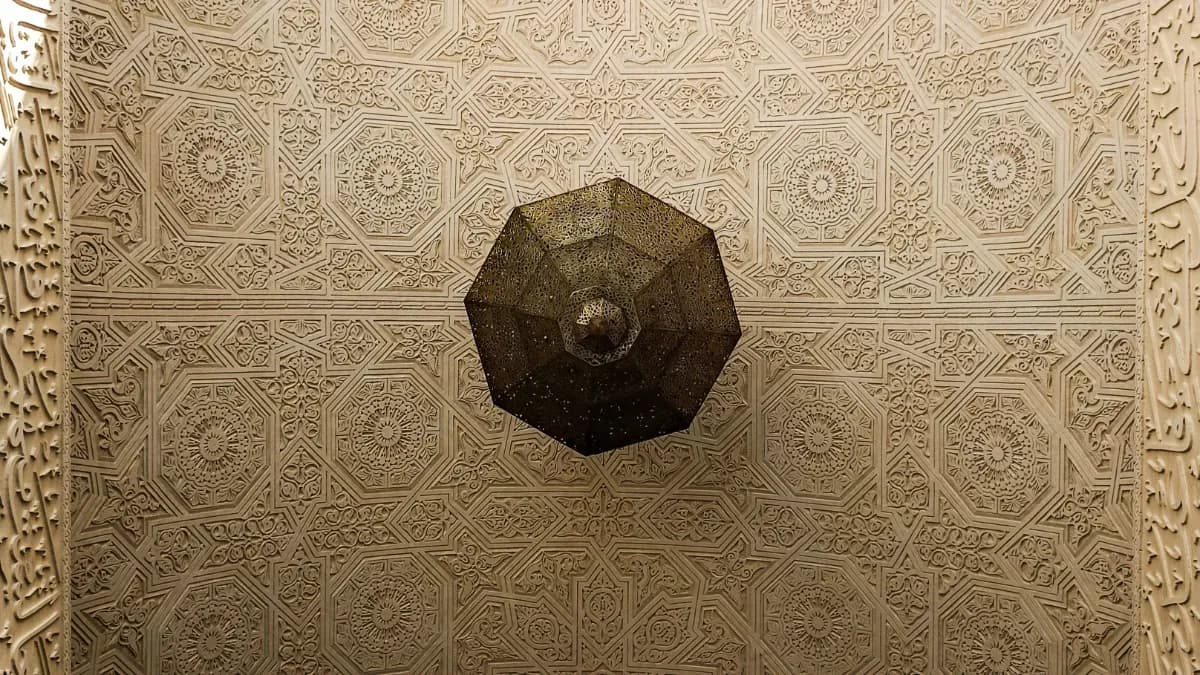
Discover the intricate details of its Islamic architecture.
Explore the different areas of the complex and learn more about its cultural, educational, and religious significance.
Frequently Asked Questions
How Many Days Do You Need to Visit Algiers?
Two to three days are enough to explore the capital’s main landmarks, historic neighbourhoods, and some of its cultural attractions.
What Is the Best Time of Year to Visit Algiers?
Spring and autumn generally offer pleasant weather for walks and sightseeing.
Can You Explore Algiers on Foot?
Some neighbourhoods, particularly the city centre and parts of the Casbah, are best explored on foot. However, distances and elevation changes between the different attractions make it useful to combine walking with taxis or public transport.
What Are the Best Places to Visit Around Algiers?
Travellers can extend their stay with day trips to Tipasa, Cherchell, or other destinations along the Algerian coast.
What to Do for Free in Algiers?
Many attractions in Algiers can be enjoyed for free, including walks through certain city-centre neighbourhoods, exploring historic streets, and admiring the capital’s architecture. However, admission requirements for monuments and cultural sites may vary.